Hue Sequence Solitaire
Reviews
Hue Sequence Solitaire stands out for its elegant core mechanic that rewards forward thinking. The bouncing effect after clearing tiles creates satisfying chain reactions that feel earned. The 90 levels are well-paced, starting simple and gradually introducing more complex layouts. The clean, cheerful visuals and lack of time pressure make it an ideal game for unwinding. It is a rare puzzle title that is both accessible to newcomers and deep enough for seasoned players. A solid choice for anyone seeking a mental challenge without stress.
Description
Core Puzzle Loop
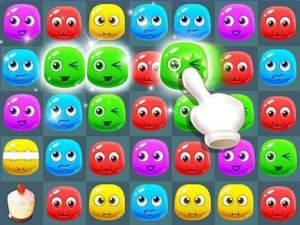
At its heart, Hue Sequence Solitaire revolves around a simple but engaging premise. Each level shows a sequence of colors at the start. Your task is to select groups of adjacent tiles that share the same color. Tapping them shifts their hue one step along the sequence. The goal is to turn all tiles to the final color in the sequence. Once a group reaches that final hue, tapping again removes them from the board. This removal triggers a small bouncing effect that travels across the grid, altering the color of any tile it contacts. This mechanic forms the basis of every puzzle and encourages careful observation.
Chain Reaction Dynamics
The bouncing effect after removing a group of tiles is where the deeper strategy emerges. When a tile changes color due to a bounce, it may now match its neighbors, creating new groups you can convert. A single removal can set off a cascade of color changes and subsequent matches. Planning these chain reactions is key to solving puzzles efficiently. Some levels may require you to trigger a specific sequence of bounces to reach tiles in corners or behind obstacles. Understanding how the bounce travels in straight lines helps you predict its path and set up future moves.
Level Design and Progression
The game includes 90 distinct puzzles, each with a unique tile layout and color sequence. Early levels introduce the basic mechanics with simple grids and short sequences. Later puzzles add complexity with larger boards, longer color chains, and more intricate arrangements. The difficulty increases gradually, allowing you to build your skills naturally. There is no time limit, so you can think through each move at your own pace. This structure makes it suitable for both quick sessions and extended play.
Visual Style and Atmosphere
Hue Sequence Solitaire uses bright, cheerful colors and clean graphics. The tiles are easy to distinguish, and the interface is uncluttered. Animations are smooth but not distracting, providing clear feedback for each action. The overall visual design aims to create a calm and focused environment. Sound effects are gentle and non-intrusive, complementing the relaxing nature of the gameplay. The combination of clear visuals and simple audio helps maintain concentration on the puzzle at hand.
Family-Friendly Appeal
The rules are straightforward enough for younger players to grasp quickly, yet the strategic depth offers challenges for adults. There is no violent content, complex controls, or in-app purchases that might surprise parents. The game encourages logical thinking and pattern recognition in a positive context. It can be played alone or shared as a family activity, with different generations discussing possible moves. This broad accessibility is a core part of its design philosophy.