Labyrinth Logic: Pathfinder Quest
Reviews
Labyrinth Logic: Pathfinder Quest stands out for its serene approach to puzzle design. The lack of time pressure allows players to fully immerse themselves in observation and deduction. The procedural generation ensures variety across sessions, while the consistent visual style maintains a cohesive atmosphere. This title is ideal for anyone seeking a thoughtful, low-stress gaming experience that challenges the mind without causing frustration.
Description
Core Puzzle Mechanics
At its heart, this title challenges players to piece together environmental clues scattered across a sprawling indoor space. Each room presents a self-contained puzzle that connects to a larger mystery. Players must examine their surroundings for subtle details like shifted furniture, written messages, or altered lighting patterns. These elements form the basis of each challenge, requiring thoughtful analysis rather than memorization or speed. The game rewards those who take the time to compare one area to another, as small differences often hold the key to progress.
Atmospheric Design
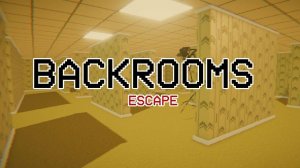
The setting consists of numerous chambers with similar appearances, creating a disorienting effect that reinforces the sense of being lost. Soft ambient sounds, such as distant mechanical hums, provide subtle audio cues without becoming intrusive. The visual palette remains intentionally muted to keep focus on the puzzle elements. This restrained approach ensures the environment feels immersive without overwhelming the senses, making it suitable for players who prefer a calm, contemplative experience.
Progression Through Discovery
Advancing through the labyrinth requires gathering information from multiple sources. Notes left by previous occupants, unusual markings on walls, and the arrangement of objects all contribute to the overall solution. The game does not rely on time limits or fail states, allowing players to experiment freely. Each solved puzzle opens new pathways, gradually revealing the layout of the larger structure. This design encourages methodical exploration and rewards patience.
Replay Value and Variation
While the core structure remains consistent, the arrangement of rooms and the placement of clues change between sessions. This procedural generation means no two playthroughs are identical, offering fresh challenges for returning players. Different routes to the exit may appear, and some puzzles offer multiple valid solutions. This variability extends the game's lifespan without adding unnecessary complexity, making each attempt a unique experience.